
Querétaro, Mexico
Industrial aluminum finishing, engineered around your part.
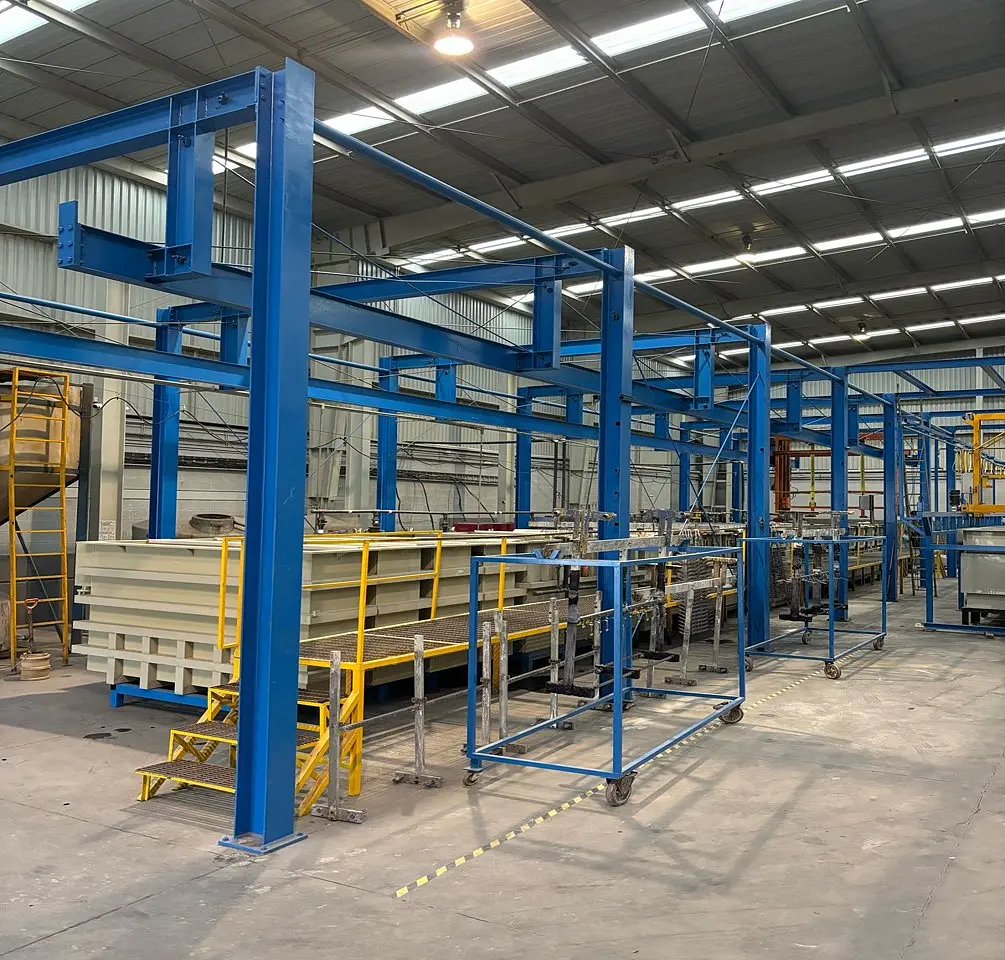
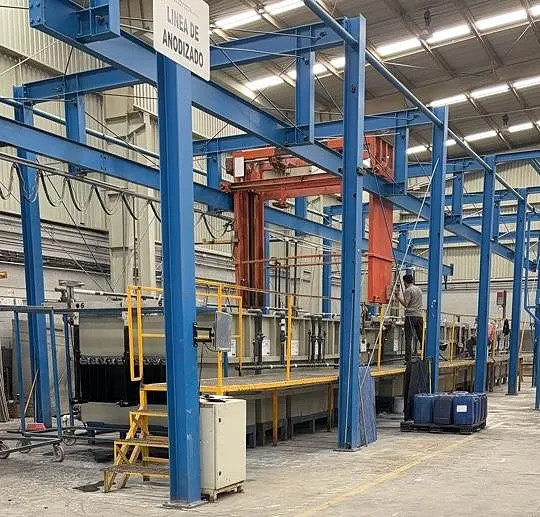
From precision-machined components to large industrial parts, A&EM develops anodizing processes around alloy, geometry, coating thickness and functional requirements.
Home copy — proposed for technical and commercial review
UP TO 2.0 M LENGTH
UP TO 1.3 M HEIGHT
A&EMALUMINUM
PROCESS CAPABILITY
PROCESS CAPABILITY
01
Part size subject to geometry, racking configuration and finishing requirements.
01 / Core capability
Built around your part
Broad aluminum processing capability.
Different aluminum alloys respond differently to anodizing. Our process approach considers alloy composition, part geometry, surface condition, racking and coating requirements to establish the appropriate processing conditions for each application.
2xxxSeries
3xxxSeries
4xxxSeries
5xxxSeries
6xxxSeries
7xxxSeries
Al-SiHigh-silicon aluminum alloys
Final finish appearance and process performance may vary depending on alloy composition, silicon content, manufacturing method, heat treatment, surface condition and part geometry.
Application-driven
Coating thickness engineered around performance.
A&EM develops anodizing processes ranging from approximately 6 µm decorative and protective coatings to heavy anodic coatings exceeding 60 µm for suitable industrial applications.
Final coating thickness is defined according to alloy, geometry, tolerance requirements, applicable specification and intended performance.
ANODIC COATING6 µm → 60+ µm
Protective / decorativeHeavy industrial coating
02 / Process roadmap
Engineered finishing processes.
Defined by the application.
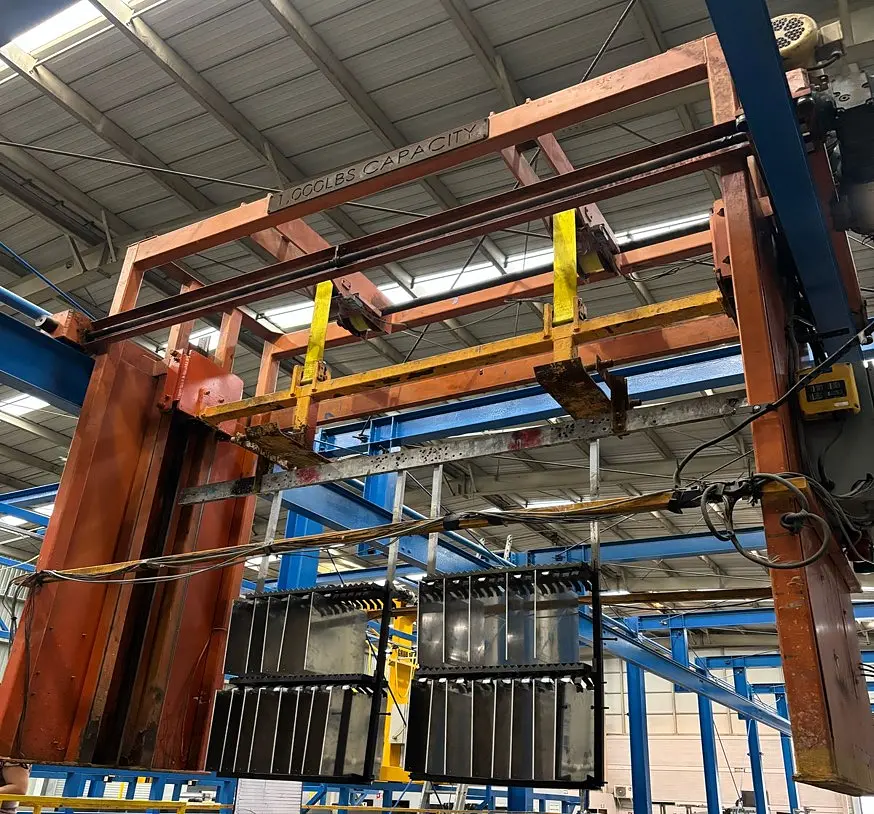
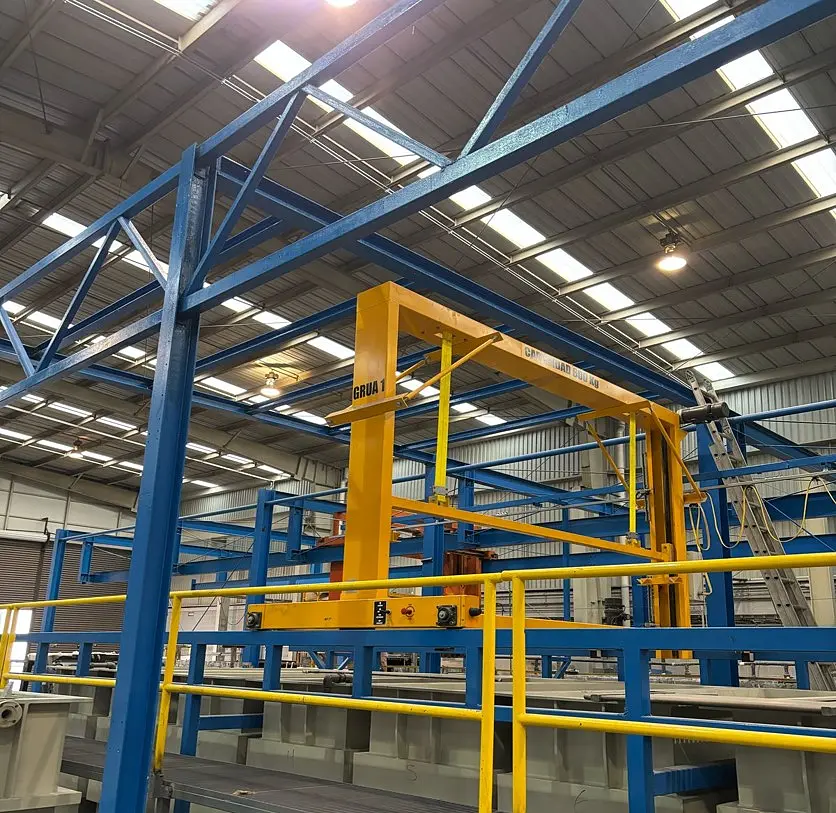
A&EM provides aluminum anodizing, hard anodizing, E-Coat and chromate conversion coating (passivation) for industrial components. Final process selection and performance requirements are confirmed after evaluation of the drawing, alloy, geometry and applicable specification.
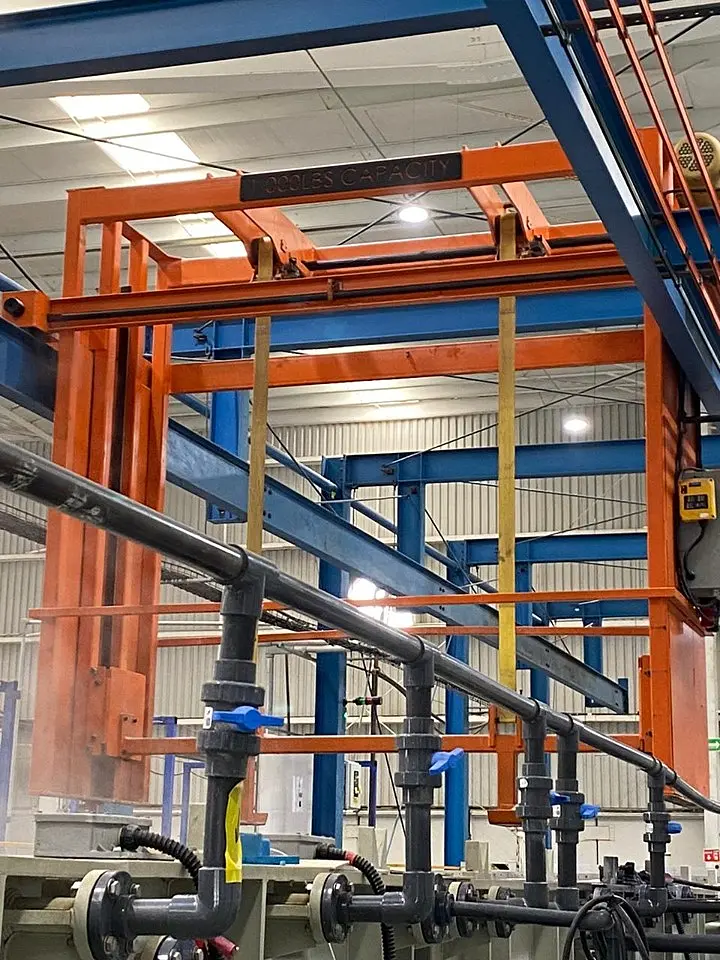
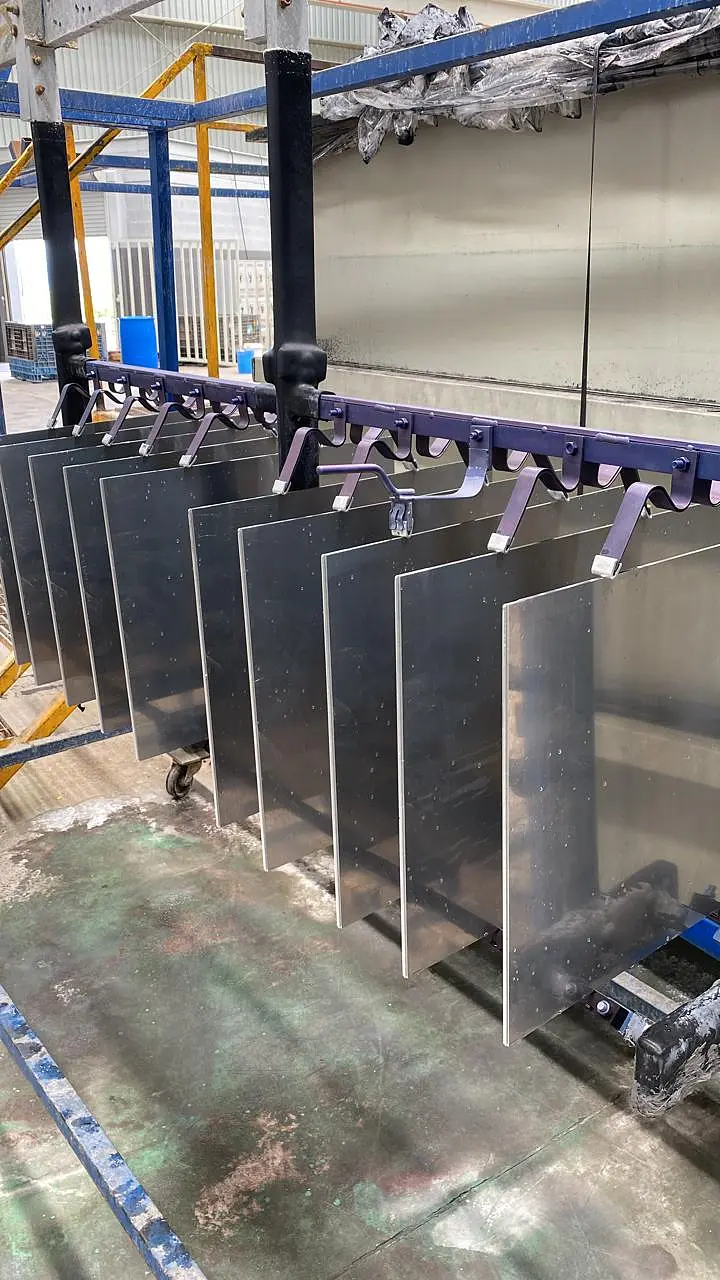
Electrochemical conversion
Anodizing
Aluminum anodizing is an electrochemical conversion process that transforms the aluminum surface into a controlled, integral aluminum oxide layer rather than applying a separate coating. During the anodizing process, direct current drives oxide formation in an acidic electrolyte; the resulting porous anodized layer can then be sealed for corrosion protection or dyed for a controlled appearance.
Engineering function
A&EM anodizing is engineered to improve corrosion resistance, surface stability, electrical insulation and adhesion while preserving the metallic character of the aluminum substrate. The anodizing result depends on alloy chemistry, surface condition, coating thickness and sealing. Clear / natural and black are the currently confirmed anodizing colors.
Critical process variables
- Alloy chemistry, temper and silicon or copper content
- Surface preparation, racking and electrical contact
- Electrolyte condition, temperature and current density
- Coating thickness, dye response and sealing parameters
Heavy anodic oxide
Hard Anodizing
Hard anodizing, also known as hardcoat anodizing, develops a thicker and denser aluminum oxide layer than conventional anodizing. The hard anodizing process uses tightly controlled electrolyte temperature, current density and heat removal to produce a functional hardcoat for aluminum components exposed to wear, friction, repeated handling or severe industrial service.
Engineering function
A&EM hard anodizing is intended to increase surface hardness, abrasion resistance, dielectric behavior and corrosion protection. Hard anodizing creates both oxide penetration and dimensional buildup; therefore, hardcoat thickness, tolerances, masking, threads, bores and mating fits must be reviewed before processing.
Critical process variables
- Alloy response and local heat generation
- Current distribution across edges, recesses and broad surfaces
- Dimensional tolerances, masking and contact locations
- Target thickness, sealing and functional finish requirements
Chemical conversion layer
Chromate Conversion Coating / Passivation
Chromate conversion coating, commonly described as aluminum passivation, is a chemical conversion process that reacts with the aluminum surface to form a thin protective conversion layer with minimal dimensional change. Chromate conversion coating is selected when corrosion protection, paint adhesion or electrical contact characteristics are important.
Engineering function
A&EM chromate conversion coating / passivation provides a chemically active interface for subsequent organic coatings and can protect aluminum without the thickness associated with anodizing. The performance of aluminum passivation depends strongly on cleaning, deoxidizing, alloy composition, silicon content, bath control and rinsing.
Critical process variables
- Cleaning, deoxidizing and surface activation
- Alloy composition and die-cast silicon content
- Bath chemistry, contact time and solution control
- Rinsing, drying and post-treatment handling
Electrodeposited organic coating
E-Coat
E-Coat, also called electrocoating or electrophoretic coating, deposits electrically charged paint particles from a water-based E-Coat bath onto a conductive component. Complete immersion and controlled electrical deposition allow the E-Coat process to reach complex geometry, recessed areas and edges with consistent film distribution.
Engineering function
A&EM E-Coat is designed as a corrosion-resistant organic coating system with controlled film build. E-Coat performance depends on pretreatment quality, bath chemistry, voltage profile, grounding, rinsing and oven cure. Depending on the approved E-Coat system, it may function as a finished coating or as a primer beneath an additional topcoat.
Critical process variables
- Pretreatment quality and part cleanliness
- Bath solids, pH, conductivity and temperature
- Voltage profile, grounding and deposition time
- Film build, rinsing and oven cure conditions
Technical copy status: proposed for customer-facing use. Process-specific specifications, approved colors and measurable performance claims remain subject to A&EM confirmation.
Specification-driven processing
Start with the drawing.
Finish with the requirement.
Processing is available to MIL-8625 requirements and customer-specific specifications, subject to drawing review and confirmation of the applicable type, class and revision.
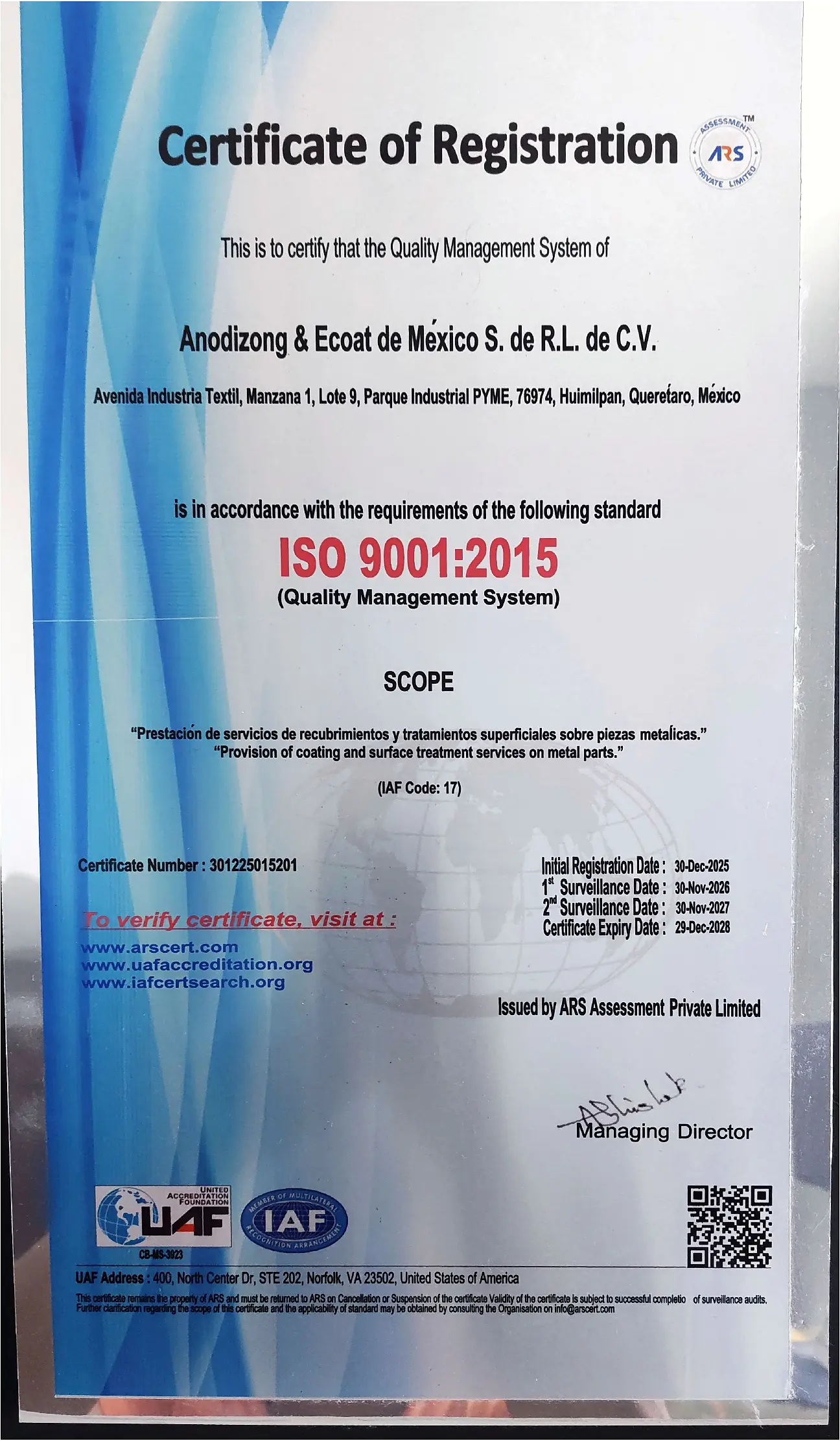 ISO 9001:2015View quality certificate ↗
Talk to A&EM
Have a component
ready for review?
Send us your drawing and finishing requirements. We will review the alloy, geometry, coating thickness and applicable specification.